Pelmeshka: A Cute and Funny Font for Creative Projects
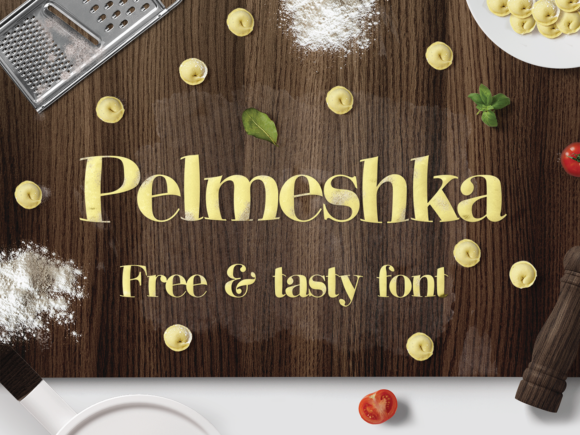
Pelmeshka is a unique and expressive font that blends the elegance of the Bodoni typeface with a playful, whimsical twist. Designed to evoke smiles and add character, this font is ideal for projects that benefit from a lighthearted or charming aesthetic. Whether you're working on a children's book, a poster, or a creative headline, Pelmeshka offers a distinctive visual style that stands out.
What Makes Pelmeshka Unique?
At its core, Pelmeshka is inspired by the classic Bodoni typeface, known for its clean lines and high contrast between thick and thin strokes. However, Pelmeshka adds a layer of personality through subtle variations in letterforms, making it feel more approachable and fun. This blend of sophistication and playfulness makes it a versatile choice for a range of design applications.
The font features rounded edges and exaggerated details that give it a soft, almost hand-drawn appearance. These characteristics make it particularly well-suited for projects targeting younger audiences or those aiming to convey warmth and creativity.
Reasons to Consider Pelmeshka
There are several reasons why someone might choose Pelmeshka for their design work. Its friendly and engaging look can help create a sense of connection with the audience, especially in contexts like marketing materials, educational content, or branding for kid-friendly products.
Additionally, Pelmeshka’s distinctiveness can set a project apart from others using more traditional fonts. In competitive markets or when trying to capture attention, a unique font can be a valuable asset. It also works well for titles and headings where visual impact is important.
Benefits and Tradeoffs
One of the main benefits of Pelmeshka is its ability to add personality and charm to a design. It can transform a simple text element into something visually engaging and memorable. This is particularly useful for projects that aim to communicate a specific tone or mood.
However, there are tradeoffs to consider. Due to its stylized nature, Pelmeshka may not be as readable in long blocks of text compared to more conventional fonts. This limits its use in body copy or large paragraphs, where clarity and legibility are crucial.
Another consideration is the font’s availability. While Pelmeshka may be available for purchase or download, it might not be as widely supported as more standard typefaces. Designers should ensure compatibility with their chosen platforms and software before committing to its use.
Situations Where Pelmeshka Excels
Pelmeshka shines in scenarios where visual appeal and personality are priorities. For example, it can be an excellent choice for:
- Children's books: The font’s playful look aligns well with the tone of stories aimed at young readers.
- Posters and advertisements: Its eye-catching style can draw attention and reinforce a brand’s identity.
- Headlines and titles: Pelmeshka adds a touch of creativity to headings, making them more engaging.
- Branding for creative industries: Businesses in fields like art, design, or entertainment may find it useful for creating a distinctive brand image.
When Alternatives Might Be Better
While Pelmeshka has many strengths, there are situations where other fonts might be more appropriate. For instance, if readability is a top priority, a simpler, more neutral font could be a better fit. This is especially true for projects involving long-form content, such as articles, reports, or technical documents.
Designers should also consider the target audience. If the intended viewers prefer a more formal or professional look, Pelmeshka might not align with their expectations. In such cases, fonts like Helvetica, Times New Roman, or Arial could be more suitable.
Additionally, if the goal is to maintain consistency across multiple design elements, using a more standard font may help achieve a cohesive look. Pelmeshka’s uniqueness can sometimes make it difficult to integrate seamlessly with other design components.
Practical Decision-Making Insights
Before deciding to use Pelmeshka, it’s important to evaluate how well it fits the project’s goals and audience. Ask questions such as: Does the font enhance the message or distract from it? Will it be effective in the intended context? Is it compatible with the design tools being used?
Testing the font in different scenarios can also provide valuable insights. Try using it in sample designs to see how it looks in various sizes, colors, and backgrounds. This helps determine whether it meets the project’s needs and delivers the desired effect.
Finally, consider the broader design ecosystem. If other elements of the project—such as images, colors, or layouts—already have a strong visual identity, Pelmeshka should complement rather than clash with them.
Conclusion
Pelmeshka is a font that combines the elegance of Bodoni with a playful, approachable style. It is best suited for projects that benefit from a unique and engaging visual presence, particularly those targeting younger audiences or aiming to convey creativity and warmth. However, its stylized nature means it may not be the best choice for all applications.
By carefully considering the project’s requirements, audience, and design goals, users can determine whether Pelmeshka aligns with their needs. When used appropriately, it can add a delightful touch to any creative endeavor.