Kidstar: A Playful Font for Youthful Design Energy
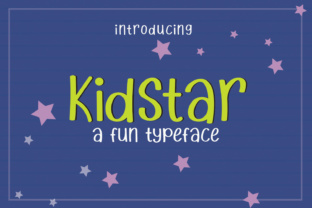
When it comes to typography, the right font can make all the difference in how a message is received. Kidstar is a unique typeface that brings a sense of fun and energy to any design project. With its playful curves and charming aesthetic, this font is ideal for those looking to add a touch of youthfulness to their branding, marketing materials, or creative projects.
Whether you're a designer, marketer, or small business owner, Kidstar offers a fresh alternative to more traditional fonts. Its simplicity and cuteness make it perfect for logos, social media graphics, and promotional content aimed at younger audiences. However, while Kidstar may seem straightforward, there are several key considerations to keep in mind to ensure it serves your design goals effectively.
Misconceptions About Kidstar's Usability
One common misunderstanding is that Kidstar is only suitable for children's products or overly casual designs. While its playful style does lend itself well to youthful themes, it can also be used in more sophisticated contexts with the right styling and pairing. For example, a tech startup targeting young professionals might use Kidstar for a tagline or headline to convey approachability without sacrificing professionalism.
Another mistake is assuming that Kidstar will automatically make a design stand out. In reality, overusing the font or pairing it with other similarly styled typefaces can lead to visual clutter. It’s important to consider contrast and hierarchy when incorporating Kidstar into a layout. Using it as a secondary font alongside a more neutral typeface often yields better results.
Common Pitfalls in Font Selection
Many users choose Kidstar without considering the context in which it will be used. For instance, using it in a large block of text for a website or brochure can reduce readability. Kidstar was designed for short phrases, headings, or decorative elements rather than body copy. This limitation should be taken into account to avoid compromising the user experience.
Additionally, some designers overlook the importance of licensing when downloading or purchasing Kidstar. Not all fonts are free for commercial use, and failing to check the license terms can lead to legal issues. Always verify the usage rights before integrating Kidstar into any project, especially if it will be used for public-facing content or sold as part of a product.
Practical Tips for Effective Use
To get the most out of Kidstar, start by identifying the specific purpose of your design. If you’re creating a logo, consider how the font will look in different sizes and formats. Testing it on various backgrounds and in different applications can help you determine its versatility and effectiveness.
Another useful approach is to experiment with spacing and color. Kidstar’s rounded shapes can appear more cohesive when paired with soft, pastel tones or minimalist layouts. Avoid using too many bold or contrasting elements that might distract from the font’s charm.
Choosing the Right Version of Kidstar
Before downloading or purchasing Kidstar, take time to explore the available versions. Some fonts come in multiple weights or styles, such as regular, bold, or italic. Understanding these options can help you select the best variant for your needs. For example, a bolder version might work well for headlines, while a lighter weight could be ideal for subheadings or captions.
It’s also wise to check reviews or examples of Kidstar in action. Seeing how other designers have used the font can provide valuable insights into its strengths and limitations. This research can help you avoid potential pitfalls and make a more informed decision.
Enhancing Brand Identity with Kidstar
For entrepreneurs and marketers, Kidstar can be a powerful tool for building a brand identity that feels authentic and engaging. However, it’s essential to align the font’s personality with your overall brand strategy. If your brand is serious or professional, using Kidstar too prominently may dilute that image. Instead, consider using it as a subtle accent to add a touch of creativity without overwhelming the message.
Small business owners, in particular, should focus on consistency. Once you’ve decided to use Kidstar, apply it uniformly across all brand assets—website, social media, packaging, and advertising. This consistency helps reinforce brand recognition and ensures a cohesive visual identity.
Final Considerations Before Implementation
Before finalizing your design, ask yourself a few key questions: Does Kidstar fit the tone of my message? Will it be legible in all intended formats? Is it compatible with other design elements? Answering these questions can prevent costly mistakes and ensure that your use of Kidstar enhances, rather than detracts from, your overall design.
Kidstar is more than just a cute font—it’s a versatile tool that, when used thoughtfully, can elevate your creative work. By avoiding common errors and making informed choices, you can harness its full potential and create designs that resonate with your audience.