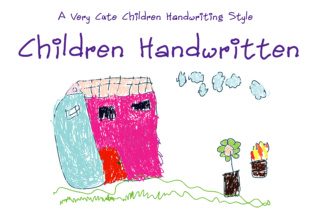
Children Handwritten: A Playful Font for Creative Workflows
When it comes to design, the right font can make a significant difference in how a message is received. For projects that aim to evoke a sense of innocence, playfulness, or nostalgia, the Children Handwritten font offers a unique and engaging solution. This handwritten style brings a childlike energy to any project, making it ideal for educational materials, branding for kids' products, or creative campaigns targeting a younger audience.
Understanding where and how to use Children Handwritten can enhance your workflow and help you achieve more authentic results. Whether you're working on a digital project, print material, or a personal endeavor, this font provides a versatile tool that aligns with various creative goals.
Integrating Children Handwritten into Your Workflow
Before starting a project, consider the tone and message you want to convey. If your goal is to create a warm, approachable feel, Children Handwritten can be an excellent choice. It works well as a body font in presentations, social media posts, or even in email newsletters where a friendly tone is desired.
During the design process, using Children Handwritten can help maintain a consistent visual theme. Pairing it with other fonts that complement its style—such as clean sans-serif or elegant script fonts—can create a balanced look without overwhelming the viewer. This font also pairs well with illustrations, icons, or graphics that have a similar playful aesthetic.
After completing a project, you might revisit your font choices to ensure they meet the intended purpose. Children Handwritten can be used to add a final touch, such as a signature, caption, or label, that reinforces the overall message. Its legibility ensures that even in smaller sizes, the text remains clear and easy to read.
Practical Use Cases for Children Handwritten
For educators and content creators, Children Handwritten can be a valuable asset in developing learning materials. Worksheets, flashcards, or activity sheets that incorporate this font can feel more engaging and less formal, encouraging interaction and participation from young learners. It's especially useful when creating content for early childhood education or interactive digital lessons.
Entrepreneurs and small business owners who cater to children’s products or services can benefit from using Children Handwritten in their branding. From packaging designs to promotional banners, this font adds a personal and authentic touch that resonates with parents and kids alike. It helps establish a brand identity that feels genuine and relatable.
Marketers and advertisers can leverage Children Handwritten in campaigns aimed at family-oriented audiences. Whether it's a social media ad, a poster, or a brochure, this font can help convey a message that feels heartfelt and sincere. It’s particularly effective in campaigns that emphasize fun, creativity, or community values.
Compatibility and Usability Considerations
When integrating Children Handwritten into your workflow, it's important to consider compatibility across different platforms and devices. Ensure that the font is available in the formats you need, such as OTF or TTF, and test it on various screens to confirm its readability. Some devices may render handwriting styles differently, so it's wise to review the font in multiple contexts before finalizing your design.
Usability is another key factor. While Children Handwritten is designed to be legible, it's best suited for short blocks of text rather than long paragraphs. For larger bodies of text, consider using it as a heading or subheading to draw attention while maintaining clarity. This approach allows you to take advantage of its character without compromising readability.
Organization and consistency are essential when using this font in a larger project. Maintain a style guide that outlines where and how Children Handwritten should be used. This ensures that all team members or collaborators follow the same guidelines, resulting in a cohesive and professional outcome.
Long-Term Use and Quality Control
For long-term projects or ongoing workflows, it's important to evaluate the effectiveness of Children Handwritten over time. Monitor how audiences respond to the font and whether it continues to meet the project's goals. Adjustments may be needed if the font becomes less effective in certain contexts or if new design trends emerge.
Quality control is also crucial. Regularly review your work to ensure that the font is being used appropriately and consistently. Check for any issues related to spacing, alignment, or contrast that could affect the overall appearance. These small details can have a big impact on the final result.
Incorporating Children Handwritten into your routine doesn't have to be complicated. Start by experimenting with it in small projects or personal tasks. As you become more familiar with its strengths and limitations, you'll be able to integrate it more effectively into your broader workflow.
Conclusion
Children Handwritten is more than just a font—it's a tool that can enhance your creative process and bring a fresh perspective to your work. By understanding how to use it effectively, you can add a unique and engaging element to your designs, whether you're working on a personal project or a professional campaign.
With careful planning, thoughtful integration, and attention to detail, this font can become a valuable part of your design toolkit. Its versatility, legibility, and playful nature make it an ideal choice for a wide range of applications, helping you connect with your audience in a more meaningful way.