Starborn: A Unique Approach to Creative Learning and Storytelling
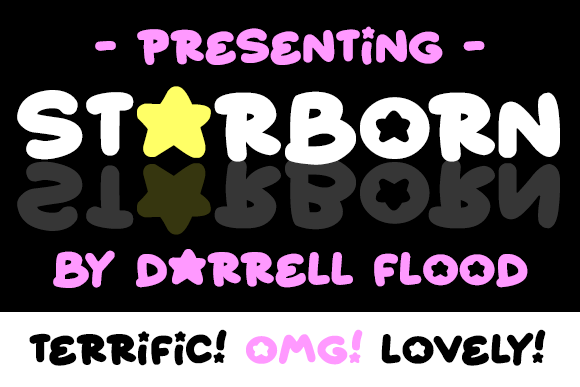
Starborn offers a distinctive blend of creativity and education, designed to engage young minds through imaginative storytelling and visual appeal. This approach is particularly effective in environments where children’s books and classroom themes are central to learning. The use of a cute, marker-style font with rounded stars replacing some character elements adds a whimsical touch that captures attention and encourages interaction.
Unlike traditional educational materials, Starborn emphasizes the importance of visual engagement and emotional connection. This makes it an appealing choice for educators and parents looking to enhance the learning experience through creative tools. The design elements not only make the content more accessible but also foster a sense of curiosity and wonder in young readers.
What Makes Starborn Stand Out?
One of the key features of Starborn is its unique visual style. The marker-style font, combined with rounded stars, creates a playful and inviting atmosphere. This design choice helps to break down the barriers that can sometimes exist between text and reader, making the content feel more approachable and less intimidating.
Additionally, Starborn focuses on storytelling as a means of teaching. By embedding lessons within narratives, it allows children to learn in a context that feels natural and engaging. This method can be particularly effective for subjects like literacy, numeracy, and social-emotional learning, as it provides real-world applications for abstract concepts.
The flexibility of Starborn also sets it apart. It can be adapted to various age groups and learning styles, making it a versatile resource for educators and parents. Whether used in a classroom setting or at home, Starborn can be tailored to meet the specific needs of each learner.
Comparing Starborn with Other Options
When considering alternatives to Starborn, it's important to evaluate how different resources align with specific educational goals. Traditional textbooks, for example, often prioritize information delivery over engagement, which can lead to disinterest among younger students. In contrast, Starborn’s focus on visual and narrative elements can help maintain attention and encourage active participation.
Other digital tools may offer interactive features, but they sometimes lack the tactile and artistic qualities that make Starborn appealing. While technology can enhance learning, the physical and visual aspects of Starborn provide a different kind of engagement that can be just as valuable. This makes it a strong option for those who value a more hands-on approach to education.
For educators looking for a resource that supports both creativity and curriculum, Starborn offers a balanced solution. It doesn’t replace traditional methods but complements them by adding a layer of creativity that can enrich the learning experience.
Strengths and Tradeoffs of Starborn
One of the main strengths of Starborn is its ability to inspire creativity. The design elements encourage children to think outside the box and express themselves in unique ways. This can be especially beneficial in classrooms where fostering innovation is a priority.
Another advantage is its adaptability. Whether used for individual reading sessions or group activities, Starborn can be integrated into various teaching strategies. Its visual appeal also makes it suitable for different learning environments, from structured classrooms to informal play areas.
However, there are tradeoffs to consider. While Starborn excels in visual engagement, it may not always provide the depth of information found in more traditional resources. For subjects that require detailed explanations or extensive data, Starborn might need to be supplemented with additional materials.
Additionally, the effectiveness of Starborn can depend on how it is implemented. Educators and parents must ensure that it is used in a way that aligns with their teaching goals. Without proper guidance, the creative elements might overshadow the educational content, leading to a less structured learning experience.
When Starborn Is the Right Choice
Starborn is an excellent choice for educators and parents who want to introduce a creative and engaging approach to learning. It is particularly well-suited for early childhood education, where visual and narrative elements can significantly enhance the learning process.
For classroom themes that emphasize imagination and storytelling, Starborn provides a cohesive and visually appealing resource. It can be used to support lessons on topics such as space exploration, nature, and fantasy, offering a consistent style that reinforces the theme throughout the curriculum.
Parents looking for a tool that encourages independent reading and creative thinking may also find Starborn to be a valuable addition to their child’s library. Its playful design can make reading a more enjoyable and rewarding experience, especially for children who may be hesitant to engage with traditional books.
When Other Options Might Be Better
While Starborn has many benefits, it may not be the best fit for every situation. For example, in cases where a more structured or information-heavy approach is needed, other resources may be more appropriate. Textbooks or digital platforms that offer comprehensive coverage of a subject might be better suited for older students or specific academic goals.
Additionally, if the primary focus is on skill development rather than creativity, alternative tools that emphasize practice and repetition could be more effective. These resources often provide targeted exercises and assessments that help reinforce learning in a more direct manner.
It’s also important to consider the preferences of the learners. Some children may prefer more traditional formats, while others thrive in environments that encourage exploration and self-expression. Understanding these preferences can help determine whether Starborn or another option is the best choice.
Realistic Examples and Practical Comparisons
Imagine a classroom where students are learning about the solar system. Using Starborn, the teacher could introduce a storybook that features a whimsical journey through space, complete with rounded stars and playful fonts. This approach can make the topic more relatable and memorable for young learners.
In contrast, a textbook on the same subject might provide detailed facts and diagrams, but it may not capture the same level of engagement. While both resources have their merits, the choice between them depends on the teaching style and the needs of the students.
Another example could involve a parent helping their child with reading. Starborn’s design might make the activity more enjoyable, encouraging the child to read more frequently. However, if the goal is to improve reading comprehension through structured exercises, a different resource might be more effective.
Helping You Make an Informed Decision
When evaluating resources like Starborn, it’s essential to consider how they align with your educational goals and the needs of your learners. The decision should be based on a balance of creativity, engagement, and practicality.
For those who value a more artistic and narrative-driven approach, Starborn offers a compelling option. Its unique design and focus on storytelling can create a more immersive learning experience. However, it’s important to recognize that no single resource is perfect for every situation.
By understanding the strengths and limitations of Starborn, you can make a more informed choice about whether it fits your needs. Whether used as a primary resource or a supplementary tool, it has the potential to enhance the learning experience in meaningful ways.